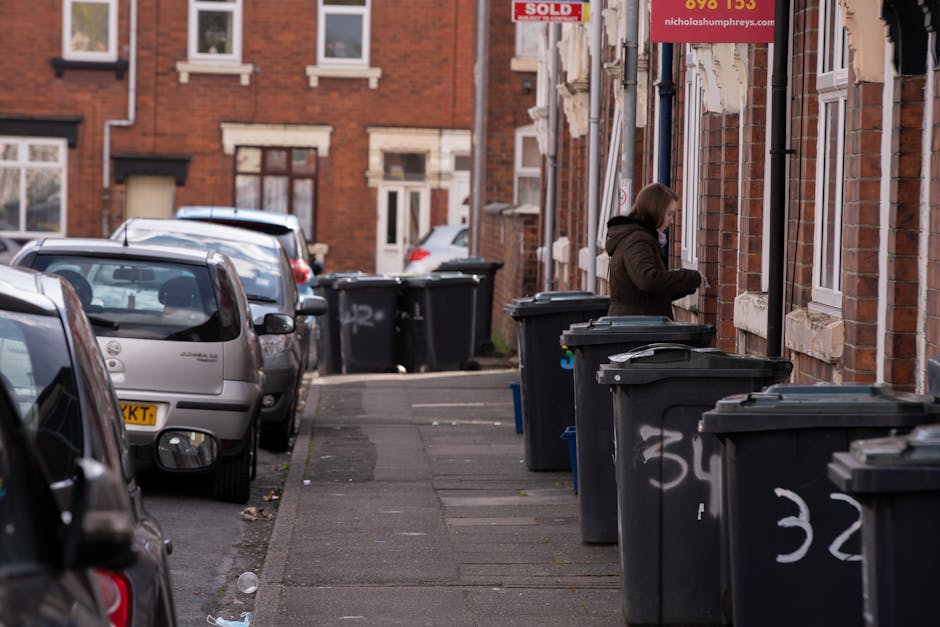
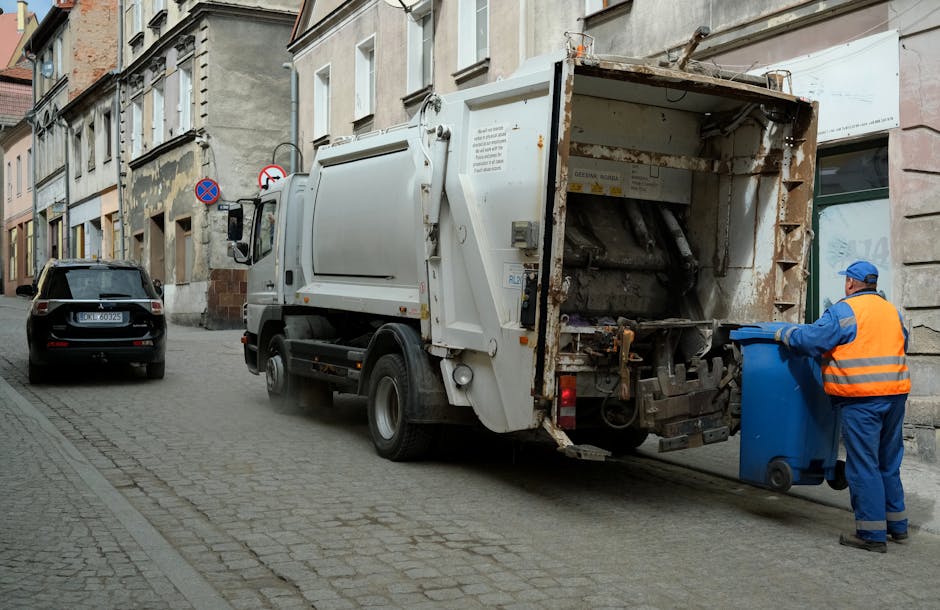
St Helier Estate: Quick Rubbish Collection Options in SM4
If you live or work around St Helier Estate in SM4, rubbish has a habit of building up at the worst possible time. A broken wardrobe in the hallway, bags from a flat move, garden cuttings after a weekend clear-up, or builder's debris that appeared faster than the work itself - it all needs shifting quickly, and ideally without turning your day upside down. This guide to St Helier Estate: Quick Rubbish Collection Options in SM4 explains the practical routes available, how to choose the right one, and what to expect if you want a fast, tidy, no-nonsense clearance.
You'll find the key options, the differences between them, the usual mistakes people make, and a few simple ways to save time and hassle. Truth be told, rubbish removal is often less about the waste itself and more about how quickly you can get your space back to normal.
Why St Helier Estate: Quick Rubbish Collection Options in SM4 Matters
St Helier Estate has a very ordinary, very real problem: rubbish can pile up quickly in homes, flats, garages, communal areas, and small business premises. If you wait too long, one bag becomes three, then the hallway gets crowded, and suddenly the whole job feels bigger than it should. Quick collection options matter because they reduce disruption, improve safety, and stop waste from becoming a daily annoyance.
There is also the practical side. In a busy residential area, you may not have the luxury of storage space, a driveway, or time to make several trips to the tip. Some people can sort waste into council collections and wait. Others need faster help - especially after a move, refurbishment, bereavement clear-out, or when bulky items are blocking a room. A responsive service can make the difference between a stressful weekend and a fairly straightforward afternoon.
For local homeowners and tenants, speed is often tied to space. For landlords and agents, it is tied to turnover. For tradespeople, it is tied to keeping a job site safe and presentable. Different needs, same outcome: waste gone quickly, properly, and without drama.
That is where it helps to understand the range of services available, from one-off waste removal to more specific jobs such as house clearance or flat clearance. The right choice depends on the volume, the type of waste, and how soon you need it gone.
How St Helier Estate: Quick Rubbish Collection Options in SM4 Works
At a practical level, fast rubbish collection usually follows a simple pattern. You identify what needs removing, describe it clearly, arrange a collection, and the team arrives with the right vehicle and loading plan. Simple on paper. In the real world, the detail matters.
Most providers will ask about a few basics: what items you have, whether the waste is mixed or separated, how much access there is, and whether anything is heavy, awkward, or potentially hazardous. A bag of general household rubbish is very different from a sofa, a broken wardrobe, or a post-renovation pile of plasterboard and offcuts. If you describe the job properly the first time, you are more likely to get a quick and sensible result.
In St Helier Estate, access can shape the whole job. Flats, communal entrances, tight stairwells, parking restrictions, and shared walkways all affect timing. That's why a good team will ask about these details before arrival. It saves everyone from that awkward five-minute shuffle at the front door while someone tries to figure out where the van can legally stop.
Collections may be arranged on the same day, next day, or at a pre-booked time depending on demand and load size. Quick does not always mean instant, but it should mean efficient. A proper collection should include loading, basic tidying, and responsible disposal through an authorised route.
If the waste is mainly furniture or household items, services such as furniture disposal or furniture clearance may be more suitable than a general rubbish visit. And if the problem is bigger - a loft, garage, or whole property - then a broader service like garage clearance or home clearance can be much more practical.
Key Benefits and Practical Advantages
The biggest benefit is obvious: your space is usable again. But there are several other advantages that are easy to overlook until you need them.
- Speed: Quick collection helps you clear access routes, remove clutter, and restore order without long delays.
- Less physical strain: Heavy lifting, awkward carrying, and repeated trips downstairs can be avoided.
- Better safety: Loose rubbish, broken furniture, and stacked bags can create trip hazards.
- Cleaner presentation: Useful for landlords, letting agents, trades, and anyone preparing a property for viewings.
- More flexible than council-only options: Helpful when you cannot wait for scheduled collections or have bulky items.
- Responsible disposal: A reputable service should sort, load, and route waste in line with current UK expectations.
There is also a quieter benefit that people sometimes underestimate: mental relief. A cluttered room can feel oddly loud. Bags in the corner, cardboard leaning by the wall, that one mattress you keep avoiding - it all sits there staring back at you. Once it is gone, the whole place feels lighter. Not fancy. Just easier to live in.
For larger jobs, quick collection can also reduce the knock-on effect on other work. A decorator, plumber, builder, or cleaner can get started properly once the rubbish is out of the way. That can save a whole lot of back-and-forth.
Who This Is For and When It Makes Sense
This kind of service is useful for a lot more people than you might first think. If you are in St Helier Estate and looking for quick rubbish collection in SM4, you may fit one of these situations:
- Tenants clearing out before moving day or after a tenancy ends.
- Landlords dealing with leftover furniture, bags, or abandoned items.
- Homeowners trying to tackle a sudden build-up in a loft, shed, garden, or spare room.
- Families sorting items after a house refresh, bereavement, or downsizing.
- Tradespeople needing builders' waste removed quickly between jobs.
- Small businesses with old office items, packaging waste, or surplus furniture.
- Anyone short on time, parking, or lifting help.
Sometimes it makes sense to choose a specialist service rather than a broad one. For example, if you have a room full of furniture after a move, a focused house clearance or flat clearance may be better than calling for general rubbish pickup. Likewise, if the issue is a pile of tools, paint tins, and leftover materials after DIY, a builders waste clearance service may be the cleaner fit.
To be fair, the best option is usually the one that matches the mess you actually have, not the mess you wish you had. Those are often different things.
Step-by-Step Guidance
If you want a fast and smooth collection, a little prep goes a long way. Here is a sensible way to handle it.
- Identify the waste clearly. Split items into broad groups: general rubbish, bulky furniture, garden waste, office items, or building debris.
- Check access. Think about stairs, parking, lift access, narrow corridors, and whether the team will need to carry items a long way.
- Take a rough photo set. A few simple pictures usually help more than a long explanation.
- Estimate volume honestly. A single sofa is not the same as a full room of stuff. A small under-estimate can cause delays.
- Ask what is included. Make sure you understand loading, labour, disposal, and any potential extra charges.
- Prepare items for collection. Group similar waste together where possible. Keep walkways clear.
- Confirm timing and contact details. Especially important if you live in a block or shared building.
- Check the final sweep. Once the waste is gone, do a quick look around for small forgotten items - screws, cords, bits of cardboard, the odd rogue cushion.
If the job involves a garage, loft, or garden, the collection may be faster if you separate obvious categories in advance. For example, garden branches can sit apart from old furniture, and cardboard can be flattened. Simple, but effective.
And yes, sometimes the shortest route to a quick collection is just making the load easy to see. Nobody enjoys standing at a doorway guessing what is hidden behind a wardrobe. Least of all the person doing the lifting.
Expert Tips for Better Results
If you want the collection to go smoothly, a few small habits make a noticeable difference.
- Be specific about the items. "A bit of rubbish" is rarely enough. "Two mattresses, one sofa, four black bags, and some broken shelves" is far better.
- Separate anything sharp or hazardous. Broken glass, nails, and damaged timber should be handled carefully.
- Ask about recycling early. If sustainability matters to you, check how the waste will be sorted. A good provider should be able to explain their approach. You can also review the company's recycling and sustainability information if you want reassurance on this side.
- Book before the weekend rush if you can. Mid-week collections are sometimes easier to arrange, though availability always varies.
- Keep the path to the waste clear. It seems obvious, but boxes, bikes, prams, and laundry baskets have a way of creeping into the route.
- Use photographs for awkward jobs. One image of the staircase or entrance can save a lot of guesswork.
A small practical tip: if you are clearing a room that smells musty, damp, or a bit dusty, open windows before the team arrives. It makes the whole job more pleasant, and the air feels fresher once the old items are out. Tiny thing, but it helps.
For larger or more sensitive clearances, it can also be worth checking the company's health and safety approach and insurance and safety information. That does not sound glamorous, granted, but it is exactly the sort of detail you want to know before anyone starts carrying heavy items down a stairwell.
Common Mistakes to Avoid
Most clearance problems are preventable. The usual slip-ups are straightforward, but they can turn a quick collection into a frustrating one.
- Underestimating volume: A van can only hold so much, and guessing too low may mean a return visit.
- Forgetting access issues: Narrow staircases, locked entrances, and awkward parking can slow things down.
- Leaving mixed waste unsorted: Not always a deal-breaker, but it can affect handling and pricing.
- Assuming everything can be taken: Some items need special handling, so always ask first.
- Choosing only on price: Cheapest is not always quickest, safest, or most reliable. You do get what you pay for, more or less.
- Not reading the terms: Useful for understanding what happens if access changes or the job turns out larger than expected. The terms and conditions matter more than people think.
One of the more common issues in estate settings is forgetting to mention communal access details. If the team arrives expecting a simple front-door job and instead finds three floors, a secure entry system, and no nearby parking, the plan changes quickly. Better to say so upfront. Nobody likes surprises like that. Well, almost nobody.
Tools, Resources and Recommendations
You do not need much to prepare for a rubbish collection, but a few simple tools help.
- Phone camera: Take clear photos of the waste pile and access route.
- Bin bags or sacks: Useful for loose lightweight waste.
- Marker pen and tape: Helpful if you are separating items for different disposal methods.
- Gloves and sturdy shoes: Sensible for any sorting you do before the team arrives.
- Measuring tape: Handy if you are checking whether bulky furniture will fit through doors or down stairs.
If you are comparing services, it also helps to look at the provider's wider service range. For example, a company that handles office clearance, garden clearance, and loft clearance is often set up for more varied collection work, which can be useful if your needs are not neatly one-category.
When you need a quick answer on cost or scope, pricing and quotes pages are a good place to start. If you are ready to speak to someone and want a more tailored response, the contact page is usually the fastest route.
Law, Compliance, Standards, or Best Practice
For rubbish collection in the UK, the safe approach is to use a provider that handles waste responsibly and follows current legal and environmental expectations. You do not need to become a compliance expert, but a few basics are worth knowing.
First, waste should be taken to appropriate facilities, not dumped or mishandled. If a service is dealing with mixed household or commercial rubbish, it should have a sensible system for sorting, transportation, and disposal. Second, if items are heavy or awkward, safe lifting and access planning matter. That is not just good manners; it reduces the risk of damage and injury.
For commercial customers, it is especially important to understand how business waste is managed. If your rubbish comes from a shop, office, or worksite, you may need a more specific route such as business waste removal. The same goes for renovation debris, where builders waste clearance is often the better fit.
If your clearance involves items like old appliances, furniture, or reusable household goods, responsible handling also supports sustainability. It is perfectly reasonable to ask how a provider sorts items for reuse, recycling, or disposal. Reputable firms should be willing to talk about that clearly.
Finally, if payment is involved before or after collection, it is wise to check the provider's payment and security information. A plain, transparent process is usually a good sign.
Options, Methods, or Comparison Table
Different rubbish collection options suit different situations. Here is a simple comparison to help you choose more confidently.
| Option | Best for | Speed | Pros | Watch out for |
|---|---|---|---|---|
| General waste removal | Mixed household rubbish, bagged waste, mixed clutter | Often fast | Flexible, easy for small-to-medium jobs | May not be ideal for bulky or specialist items |
| Furniture clearance | Sofas, beds, wardrobes, tables | Fast | Good for heavy, awkward items | Needs access details and accurate item list |
| House or flat clearance | Whole-room or whole-property clear-outs | Moderate to fast | Best when there is a lot to remove | May require a fuller quote and more time on site |
| Garden clearance | Green waste, soil, trimmings, outdoor clutter | Fast | Ideal after seasonal tidy-ups | Wet or mixed waste can be heavier than expected |
| Builders waste clearance | DIY waste, rubble, offcuts, renovation debris | Fast | Useful for post-project clean-ups | Some materials need special handling |
If your main problem is just "I need it gone quickly," start with the most specific match you can identify. A small pile of garden waste should not be treated like a full house clearance. That sounds obvious, but people do it all the time.
Case Study or Real-World Example
Imagine a typical Friday afternoon on St Helier Estate. A family has just finished clearing a spare room before a new bed arrives. The old wardrobe is dismantled, there are black bags of clutter from the cupboard, and a chest of drawers has seen better decades. They do not want to leave everything in the hallway until Monday. Understandably.
They start by taking a few pictures, then list the items: one wardrobe, one chest of drawers, one mattress, three bags of mixed rubbish, and some broken shelving. They also mention that access is via a second-floor flat with stair access and limited parking nearby. That detail matters. A lot.
The collection team can then plan for the right vehicle and the right number of people. On arrival, the work is straightforward because the items were described properly. The load is removed, the space is left clear, and the family gets the room ready for the new furniture without any last-minute panic.
The same approach works for landlords after a tenancy end, for a small business clearing an office cupboard, or for someone emptying a garage after years of "I'll deal with that later." That later moment is always more crowded than you remember.
The real lesson is simple: quick rubbish collection is fastest when the prep is calm, specific, and honest. A five-minute accurate description can save thirty minutes of confusion.
Practical Checklist
Use this checklist before booking a collection in St Helier Estate.
- Identify the type of waste: household, furniture, garden, office, or builders' waste.
- List the main items clearly and count the bags or bulky pieces.
- Take a couple of photos of the pile and the access route.
- Check if parking, lifts, or stair access could affect the job.
- Separate anything sharp, fragile, or potentially hazardous.
- Ask about recycling, disposal, and what is included in the quote.
- Review pricing information if you want a better idea of likely cost.
- Confirm the collection time and the best contact number.
- Keep hallways and entrances as clear as possible.
- Do a quick final check once everything is removed.
Expert summary: The fastest rubbish collection is usually the one that is clearly described, easy to access, and matched to the right service type. A little preparation saves time, money, and a fair bit of stress.
Conclusion
Choosing St Helier Estate: Quick Rubbish Collection Options in SM4 does not need to be complicated. Start with the kind of waste you have, think about access, and match the job to the right service. If you do that, you are already ahead of most rushed clear-outs. Whether it is a few bulky items, a packed garage, a post-refurbishment mess, or a whole flat that needs clearing, the right approach should feel quick, organised, and reassuringly simple.
It is worth using a provider that is clear about pricing, safety, and responsible disposal, especially if your job involves mixed waste or awkward access. And if you are unsure, ask. A decent company will not mind the questions. They have heard them all before, honestly.
Get a free quote today and see how much you can save.
If you want to learn more about the company behind these services, you can also read about us, and if you have any specific concerns before booking, the complaints procedure and accessibility statement are there for added transparency. Small details, yes - but they build trust. And that matters.
Frequently Asked Questions
What is the fastest way to arrange rubbish collection in St Helier Estate, SM4?
The fastest route is usually to identify the waste clearly, send photos, confirm access details, and request a quote from a provider that offers flexible rubbish removal. If the job is straightforward, collection can often be arranged quickly.
Can I book a same-day rubbish collection for a flat in St Helier Estate?
Sometimes, yes. Same-day collection depends on availability, the size of the load, and access to the property. Flats can be done efficiently, but it helps to mention stairs, lift access, and parking from the start.
What type of waste can usually be collected quickly?
General household rubbish, bagged waste, old furniture, garden waste, and some builders' waste are often suitable for fast collection. If the waste includes specialist items, check in advance so the provider can confirm how it should be handled.
Is it better to choose general waste removal or a specialist service?
If the job is mixed and fairly small, general waste removal may be enough. If you have bulky items, a lot of furniture, or a specific type of waste, a specialist service such as furniture clearance or builders waste clearance is often more efficient.
How do I know how much rubbish I have?
The easiest way is to group waste into piles or use photos to estimate the volume. Mentioning the number of bags, mattresses, cupboards, or boxes gives the collection team a much better starting point than guessing by eye.
What happens if I forget to mention access problems?
It can cause delays, extra effort, or a revised quote. Narrow stairwells, controlled entry, and parking restrictions are common in estate settings, so it is always best to mention them before the team arrives.
Can furniture and rubbish be collected together?
Usually, yes, as long as the provider accepts both types of material. Mixing a sofa, bags of clutter, and cardboard is common. Just make sure the load is described accurately so the right vehicle and crew are arranged.
Do I need to sort my waste before collection?
Not always, but some basic sorting helps. Keeping furniture separate from loose rubbish and separating garden waste from general waste can make the job quicker and sometimes more cost-effective.
How should I prepare for a quick collection on collection day?
Clear the route, group items together, keep pets and children safely out of the way, and make sure the team can reach the waste without needing to move lots of other things first. A small bit of prep goes a long way.
Is quick rubbish collection environmentally responsible?
It can be, provided the waste is handled by a reputable provider that sorts items for disposal or recycling properly. If sustainability matters to you, ask how items are processed and look for clear recycling information.
What if I need a full property clear-out rather than just rubbish collection?
In that case, a broader service such as house clearance, home clearance, or flat clearance may be more suitable than a simple rubbish pickup. These services are better for larger jobs where lots of items need removing in one visit.
How do I get an accurate price without a site visit?
Photos, item lists, and a clear explanation of access usually help a great deal. For many jobs, a good estimate can be given from that information, though larger or more complex clearances may need a more detailed assessment.
Where can I ask questions before booking?
You can use the contact page to ask about timing, access, pricing, or the right service for your waste type. If you are comparing options, it can also help to review the pricing and quotes page first.
What should I do with items I want to keep separate from the rubbish?
Move them out of the collection area before the team arrives and, if needed, label them clearly. It sounds basic, but it prevents accidental removal and keeps the job tidy. A little care here saves a headache later.